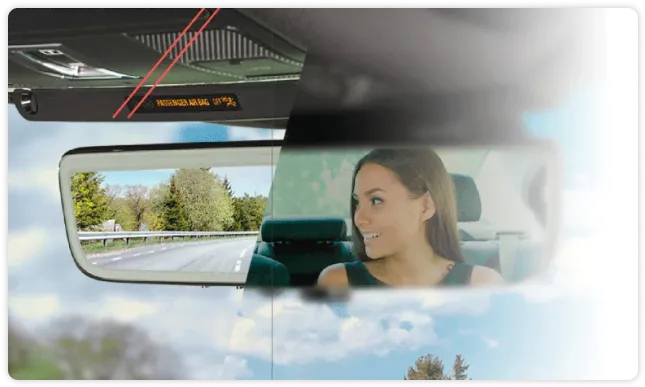
April is a great time to reset distracted driving habits. Learn five common distractions to avoid and how smarter driving habits can support safer trips.
April is a smart time to take a closer look at everyday driving habits. As schedules get busier and more people hit the road for spring activities, distractions can easily sneak into the drive. Many drivers think of distracted driving as texting behind the wheel, but it often starts with smaller habits that feel harmless in the moment.
The truth is simple: distraction is not only about one big mistake. It is often a series of small choices that take your eyes, hands, or attention away from the road.
If you want to drive with more confidence this season, here are five distracted driving habits worth stopping this April.
1. Setting your route after the drive has already started
Navigation is helpful, but trying to enter an address, zoom in on a map, or change directions while moving can quickly take your attention away from the road.
A better habit is to set your route before you shift into drive. If plans change, pull over safely before making updates. Even a few seconds of looking down at a screen can mean missing what is happening in front of you.
2. Checking messages at stoplights
A red light can feel like a break, but it is still part of the driving task. Looking down to check a text, email, or notification often creates a delayed response when traffic starts moving again. It can also reduce awareness of pedestrians, cyclists, and sudden lane movement around you.
Instead, silence non-essential notifications before the drive starts. If something truly cannot wait, stop in a safe place first.
3. Reaching for items while the vehicle is moving
Loose items in the passenger seat, center console, or back seat can become a distraction fast. A dropped phone, a bag that tips over, or something rolling on the floor can tempt drivers to reach without thinking.
Before you start driving, make sure the items you need are secure and easy to access later. If something falls, let it wait.
4. Eating, multitasking, or trying to do too much at once
Busy routines make multitasking feel normal. Many drivers eat breakfast in the car, adjust playlists, manage calls, and think through the day all at once. But the more tasks you stack onto the drive, the less attention you have available for changing traffic conditions.
Driving deserves your full focus. The more you can simplify what happens in the vehicle, the calmer and more controlled the experience tends to feel.
5. Trusting familiarity too much
One of the easiest distracted driving habits to miss is overconfidence. When you know the route well, it can be tempting to go on autopilot. Drivers may pay less attention on roads they use every day because the environment feels familiar.
But familiar roads still change. Traffic patterns shift, pedestrians appear unexpectedly, and weather or glare can affect visibility. Staying alert matters just as much on short daily drives as it does on longer trips.
What smarter driving habits look like
Reducing distraction does not have to mean overhauling your whole routine. Small changes can make a real difference:
Set navigation and music before leaving
Put the phone out of reach
Secure loose items before driving
Save food and non-urgent tasks for later
Treat every drive like conditions can change at any time
These habits are simple, practical, and realistic. They help create a drive that feels more controlled and less reactive.
Where driver-assist technology fits in
Driver-assist technology can support awareness, but it is not a substitute for attention. Features like backup visibility support, parking sensors, and awareness-focused systems can help drivers stay informed about what is happening around the vehicle.
That kind of support can be especially useful in busy parking lots, crowded neighborhoods, and everyday traffic situations where staying aware matters.
The key is to think of these tools the right way. They are there to support the driver, not replace the driver.
Why April is the right time for a reset
Spring often brings more activity, more travel, and more distractions competing for attention. That makes April a good time to reset the habits that may have slipped into your routine.
A safer drive does not always come from doing more. Sometimes it comes from removing the things that pull your focus away.
Final thoughts
Distracted driving is often built on habits, and habits can be changed. By stopping a few common distractions and choosing a more focused routine behind the wheel, you can make everyday driving feel safer and more manageable.
If you are looking for ways to support awareness on the road, explore driver-assist solutions that can complement smart driving habits and help you feel more confident behind the wheel.